


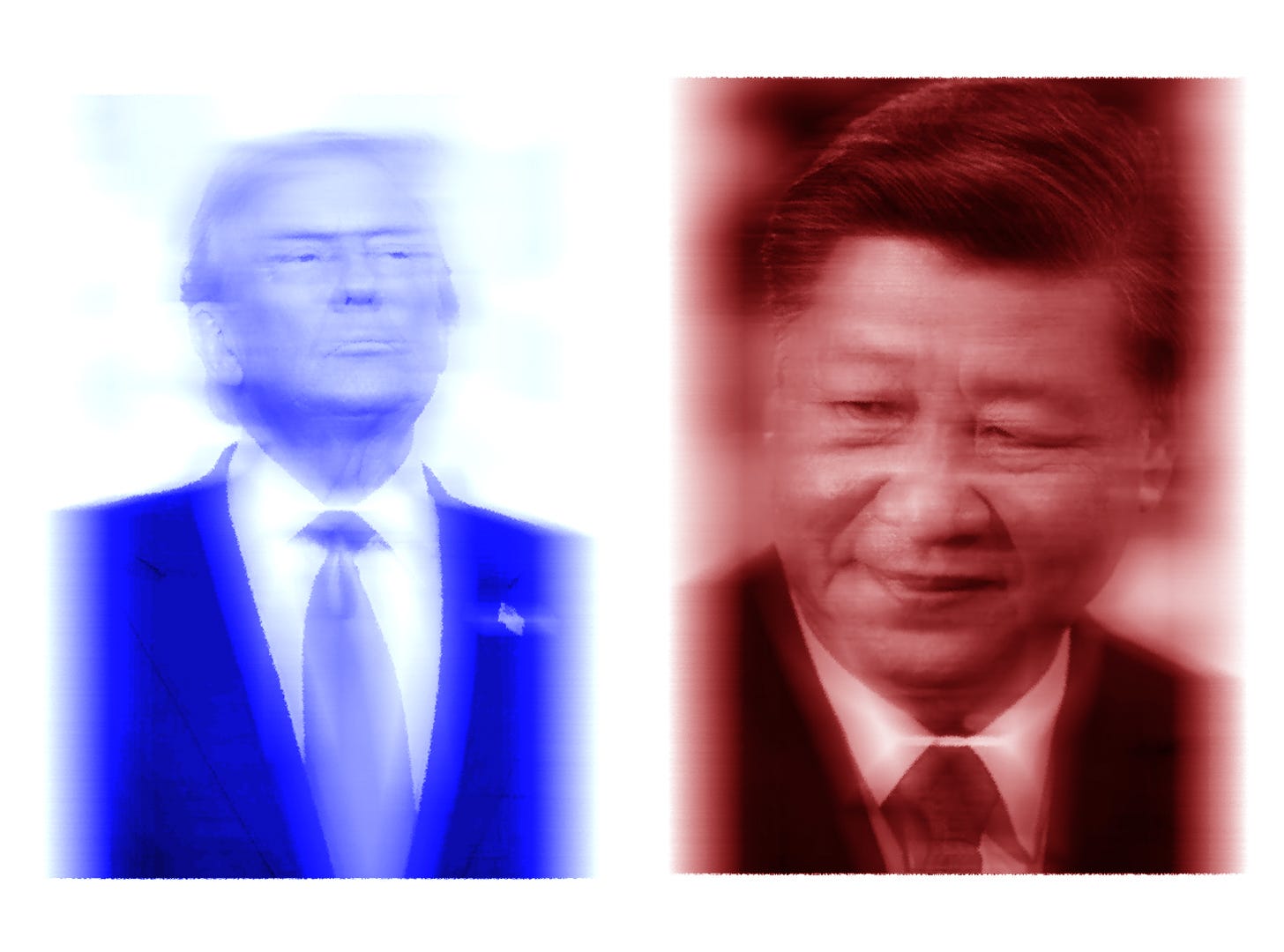
US China relations are at a precarious moment. The upcoming U.S. China summit may shape the future of this increasingly adversarial bilateral relationship. Against this backdrop, on April 7, 2026, former U.S. deputy secretary of state Stephen Biegun and former deputy chief of mission at the U.S. Embassy in Beijing and senior director for China and Taiwan affairs at the White House National Security Council Sarah Beran, joined the National Committee on U.S.-China Relations to discuss the state of the U.S.-China relationship and its future prospects.
The conversation began with an analysis of rising tensions in Iran and the upcoming Trump-Xi Summit. Biegun predicted that negotiations between the U.S. and Iran will continue before full-fledged escalation occurs. Although China benefits strategically from a distracted United States, the impact of energy disruptions makes this approach unappealing for China in the long-term. Both Biegun and Beran agreed that the collaboration between Trump and Xi is necessary to cool tensions in the Middle East and the Trump-Xi summit is a productive start to this collaboration. They also discussed Trump’s top-down, unpredictable approach to foreign policy, suggesting it keeps Chinese officials off-balance, undercutting their ability to create a long-term strategy.
The speakers also addressed the strategic standstill between China and the United States. They emphasized how the relationship between the two countries resembles a stalemate, with Trump opposing his own administration’s efforts to improve it. Trump aims to form agreements with Xi; however, his administration is focused on deterring Chinese influence. This results in muddled policy outcomes, despite the lofty stated goals of the Trump administration.
Economic competition was another focus of the Town Hall, most notably in areas like trade, EVs, and emerging technology. The speakers discussed the broad impact of tariffs on Chinese goods, noting that they reduced the U.S.-China trade deficit from $300 billionto $200 billion. This major drop was followed by a $1.2 trillion increase in Chinese exports globally, indicating Chinese goods have been redirected through other pathways to the United States. China’s domestic industries, like EVs have received increased media attention for their overproduction and subsidization. Other goods imported from China, like critical minerals, are vital to U.S. supply chains. This creates a national security risk, as dependency provides China with additional economic influence.
To conclude the CHINA Town Hall, both Biegun and Beran discussed their shared opinion that the U.S.-China relationship is stronger and more stable than the public perceives. Although their relationship is rooted in geopolitical tension, there exists an unescapabledegree of interconnectedness between the two economies that keep their relationship intact. They determined that the next few weeks would shape the future of the U.S.-China relationship in the short-term, but it is unlikely that core disagreements will be resolved immediately.
